UNIVERSITY TRANSCRIPTION AND CLOSED-CAPTIONING SERVICES FOR RESEARCHERS & ACADEMICS IN THE UK, US AND WORLDWIDE
Go from data collection to publication more easily with transcripts trusted by researchers worldwide, with a social impact.
Save valuable time, money and resources with 100% human-done, analysis-ready transcripts of your research interviews, focus groups, workshops, participant diaries, conferences, podcasts and more.
UNIVERSITY TRANSCRIPTION AND CLOSED-CAPTIONING SERVICES FOR RESEARCHERS & ACADEMICS IN THE UK, US AND WORLDWIDE
Go from data collection to publication more easily with transcripts trusted by researchers worldwide, with a social impact.
Save valuable time, money and resources with 100% human-done, analysis-ready transcripts of your research interviews, focus groups, workshops, participant diaries, conferences, podcasts and more.
We're proud to support


Get research-specialist, IRO, museum & heritage, third-sector and university transcription and closed-captioning services with a social impact from a disabled-led, disabled-majority, intersectional team, most of whom have Master’s degrees, and around a third (including our Founder & CEO) have PhDs or doctoral-level training.
Our social mission
Supporting social justice-led projects
We've supported hundreds of projects over the last eight years, working with some of most innovative and cutting edge qualitative research with a social justice focus from the UK, US, Canada, Australia and worldwide.
Improving accessibility for all
We help researchers and research organisations across higher education and the arts, heritage, museum and charitable sectors improve accessibility and reach wider audiences through closed-captioning and accessibility consulting.
Creating flexible, accessible work
We prioritise recruiting disabled, chronically ill and neurodivergent freelancers, especially those with intersecting identities and/or parental or caring responsibilities, across all of our teams.
Our clients say
I believe in supporting disabled workers and businesses and that's one of the primary reasons why I use AAT... As a qualitative researcher, I receive consistently accurate and high-quality transcripts from the AAT collective. They're also very timely and responsive whenever I have any questions as a client.

I’ve followed the inspiring story behind AAT and its found, so I knew my project was a great opportunity to support AAT. AAT’s transcripts were more accurate and nuanced than automated alternatives. Communication has been excellent and the service very professional. AAT offers responsive, efficient, high-quality transcription services with a human touch that really add value to a research project.
Optimise your research recordings for better transcripts
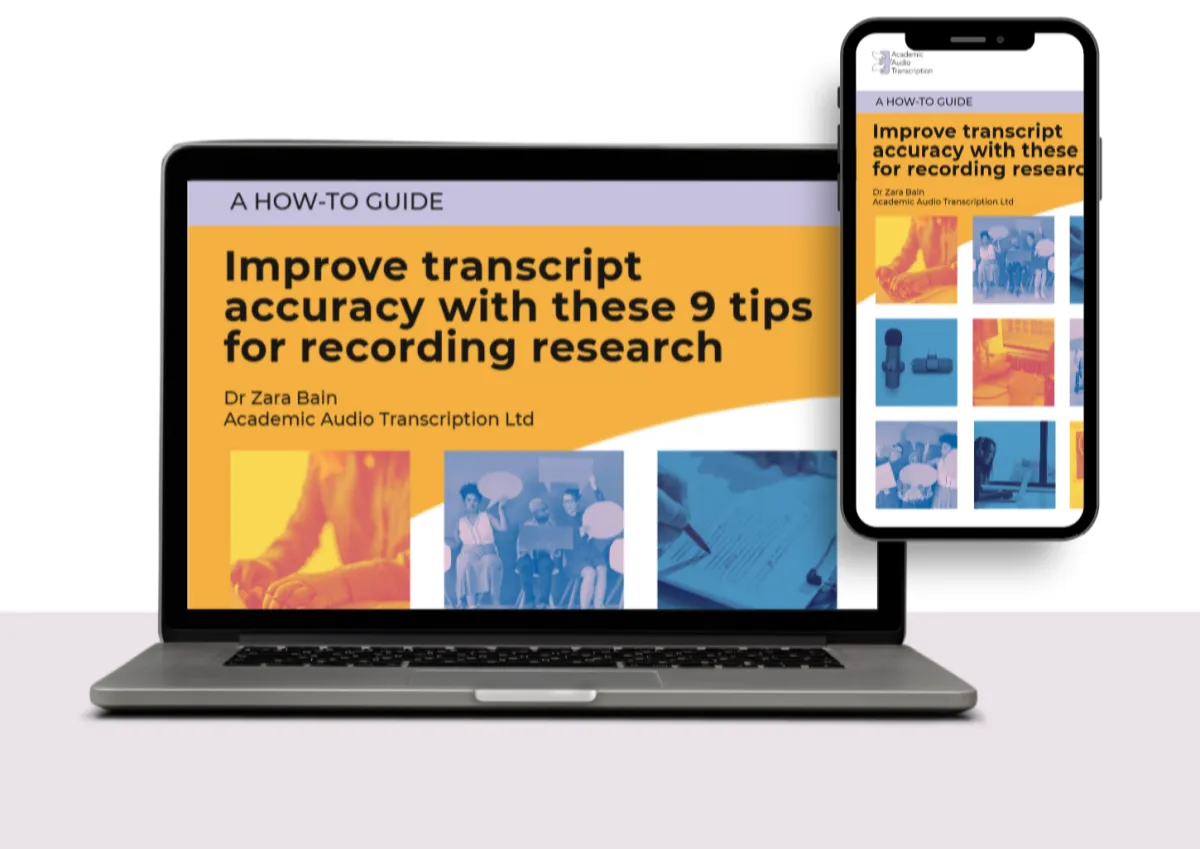
Small changes to your recordings can make big differences to the quality of your transcripts. Get tips from our research specialist transcribers and editors in our FREE guide below, and join our researcher community newsletter too.
Optimise your research recordings for better transcripts
Small changes to your recordings can make big differences to the quality of your transcripts. Get tips from our research specialist transcribers and editors in our FREE guide below, and join our researcher community newsletter too.
Who we help
Research Centre Managers
You want to build partnerships with reliable suppliers who get things right the first time, without your needing to hand-hold them through it, and where clear, proactive communication ensures accuracy and accountability, every time.
You want solutions that genuinely save time, money and resources across multiple teams comprised of researchers of all levels of experience, seniority and reputation.
You’re seeking suppliers who understand and appreciate the value of rigorous, internationally-impactful scholarly research, as well as the complexities of the research process.


Researchers
You’re an expert in your field, but somehow you’re still not quite sure what’s the simplest, easiest, and quickest way to get from data collection to publication.
You need to maximise time, energy and resources spent focusing on your write-up, outputs and impact, not get stuck checking 20+ hours of interviews and workshops against poor-quality transcripts.
You prefer research support that aligns with your ethics, values and principles, including protecting participant privacy and preserving your intellectual property.
Who we help
Research Centre Managers
You want to build partnerships with reliable suppliers who get things right the first time, without your needing to hand-hold them through it, and where clear, proactive communication ensures accuracy and accountability, every time.
You want solutions that genuinely save time, money and resources across multiple teams comprised of researchers of all levels of experience, seniority and reputation.
You’re seeking suppliers who understand and appreciate the value of rigorous, internationally-impactful scholarly research, as well as the complexities of the research process.
Researchers
You’re an expert in your field, but somehow you’re still not quite sure what’s the simplest, easiest, and quickest way to get from data collection to publication.
You need to maximise time, energy and resources spent focusing on your write-up, outputs and impact, not get stuck checking 20+ hours of interviews and workshops against poor-quality transcripts.
You prefer research support that aligns with your ethics, values and principles, including protecting participant privacy and preserving your intellectual property.
Reclaim precious time and resources to progress your research with our analysis-ready transcripts that can be plugged straight into NVivo, formatted according to UK Data Archive best practices, which we've supplied to research institutions and universities worldwide since 2017.
Our signature framework
Our unique PRINCIPLED framework guides everything we do, from how we handle our clients’ qualitative research data, the transcription process itself, our own internal cultures, workflows and systems, and everything else in between.
P
A premium service for all of our clients, whatever your project size, budget spend or seniority.
R
Research-specialists, where most of our team have a Master’s degree and around a third of our staff have PhDs or doctoral-level training, including our Founder and CEO.
I
Intersectional and inclusive recognising the complex ways that marginalised communities overlap, intersect, and interact, embedding this awareness in everything we do.
N
No AI at any stage of our production process, except when you ask us to edit your already AI-produced transcripts.
C
The utmost care and consideration at every stage of how we handle your qualitative data, plus consideration of citational politics in ensuring speakers are credited properly, always.
I
Informed by expertise, we're big nerds about empirical and theoretical research on topics we think matter (and our Founder & CEO has a PhD in epistemic injustice and ignorance).
P
We protect your participant privacy with stringent GDPR-compliant data security measures at every stage of our process, as well as offering DBS-cleared end-to-end processing where required.
L
Guided by liberatory politics and epistemology, where being able to contribute to, and access, research and knowledge-creation is crucial to combatting injustice, discrimination and oppression.
E
Ethically aligned with your values, we attract clients for whom social justice and fairly-paid, accessible work opportunities matter, especially for marginalized identities and communities.
D
Disabled-led, and disabled-majority, creating culture, workflow, processes and systems that embrace disabled, chronically ill and neurodivergent lived experience, talent, and access needs, in stark contrast with most workplaces.
Our signature framework
Our unique PRINCIPLED framework guides everything we do, from how we handle our clients’ qualitative research data, the transcription process itself, our own internal cultures, workflows and systems, and everything else in between.
P
A premium service for all of our clients, whatever your project size, budget spend or seniority.
R
Research-specialists, where most of our team have a Master’s degree and around a third of our staff have PhDs or doctoral-level training, including our Founder and CEO.
I
Intersectional and inclusive recognising the complex ways that marginalised communities overlap, intersect, and interact, embedding this awareness in everything we do.
N
No AI at any stage of our production process, except when you ask us to edit your already AI-produced transcripts.
C
The utmost care and consideration at every stage of how we handle your qualitative data, plus consideration of citational politics in ensuring speakers are credited properly, always.
I
Informed by expertise, we're big nerds about empirical and theoretical research on topics we think matter (and our Founder & CEO has a PhD in epistemic injustice and ignorance).
P
We protect your participant privacy with stringent GDPR-compliant data security measures at every stage of our process, as well as offering DBS-cleared end-to-end processing where required.
L
Guided by liberatory politics and epistemology, where being able to contribute to, and access, research and knowledge-creation is crucial to combatting injustice, discrimination and oppression.
E
Ethically aligned with your values, we attract clients for whom social justice and fairly-paid, accessible work opportunities matter, especially for marginalized identities and communities.
D
Disabled-led, and disabled-majority, creating culture, workflow, processes and systems that embrace disabled, chronically ill and neurodivergent lived experience, talent, and access needs, in stark contrast with most workplaces.
Our work in action
Our clients say
Working with AAT was incredibly useful for my project. I appreciated the level of detail, care and effort that went into the transcription. I had a wonderful experience working AAT. From communication with the team, and the quality of the transcripts. I have recommended the service to colleagues, and certainly will work with the company in the future!
Automated transcription services just don’t measure up. With AAT, the material was ready to use upon delivery, which was a huge help. AAT has been above and beyond, sourcing transcribers with identity-based expertise.
Our services
Transcription
Accurate and precise capture of what's been said in a way that preserves the nuances of natural language and speech.
All speaker changes are clearly marked and timestamped.
All unclear and inaudible audio is highlighted and timestamped for ease of review and correction where needed.
All transcripts are formatted using standardised templates based on UK Data Archive guidelines, and delivered in MS Word (.docx) format.
We offer a range of different transcription services to suit all needs and budget, from transcription-only support that offers formatted but unedited transcripts, to edited transcripts, through to publication-ready transcripts, ready to be uploaded online for public consumption straight away.

Closed Captioning
Accurate and precise capture of exactly what's been said, without censoring or paraphrasing (a common bugbear amongst those reliant on captions!).
Adherence to international accessibility guidelines and best practices for subtitling for Deaf and hard of hearing (SDH) and closed captioning, like limiting lines to 42 characters and adjusting for reading speed.
Caption files produced in three of the most common formats, SRT, SBV and VTT.

Our services
Transcription
Our transcripts always include:
Accurate and precise capture of what's been said in a way that preserves the nuances of natural language and speech.
All speaker changes are clearly marked and timestamped.
All unclear and inaudible audio is highlighted and timestamped for ease of review and correction where needed.
All transcripts are formatted using standardised templates based on UK Data Archive guidelines, and delivered in MS Word (.docx) format.
We offer a range of different transcription services to suit all needs and budget, from transcription-only support that offers formatted but unedited transcripts, to edited transcripts, through to publication-ready transcripts, ready to be uploaded online for public consumption straight away.
Closed Captioning
Our closed captions always include:
Accurate and precise capture of exactly what's been said, without censoring or paraphrasing (a common bugbear amongst those reliant on captions!).
Adherence to international accessibility guidelines and best practices for subtitling for Deaf and hard of hearing (SDH) and closed captioning, like limiting lines to 42 characters and adjusting for reading speed.
Caption files produced in three of the most common formats, SRT, SBV and VTT.
Ensure your video content reaches the widest possible audience while aligning with your ethics, with our 100% human-made closed-captions (aka subtitles for Deaf and hard of hearing audiences).
Our closed-captions prioritise accuracy, precision, audio sync, and observing internationally-recognised accessibility guidelines.
Our work in action

Baker et al., (2023): Culture, place and partnership: the cultural relations of Eurovision 2023
We were asked by Dr Catherine Baker to support this 2023 research project commissioned by the British Council to analyse the cultural relations of Eurovision the year that UK city Liverpool hosted the competition on behalf of Ukraine.

Adair, C. (2023): Solidarity in the Centrefold: Trans Social Safety Networks in the Adult Magazine
We've been privileged to support Dr Cass Adair's work on transgender histories of the Internet since 2021, including providing transcription support for the interview with Sandy Mesics featured in this journal article.
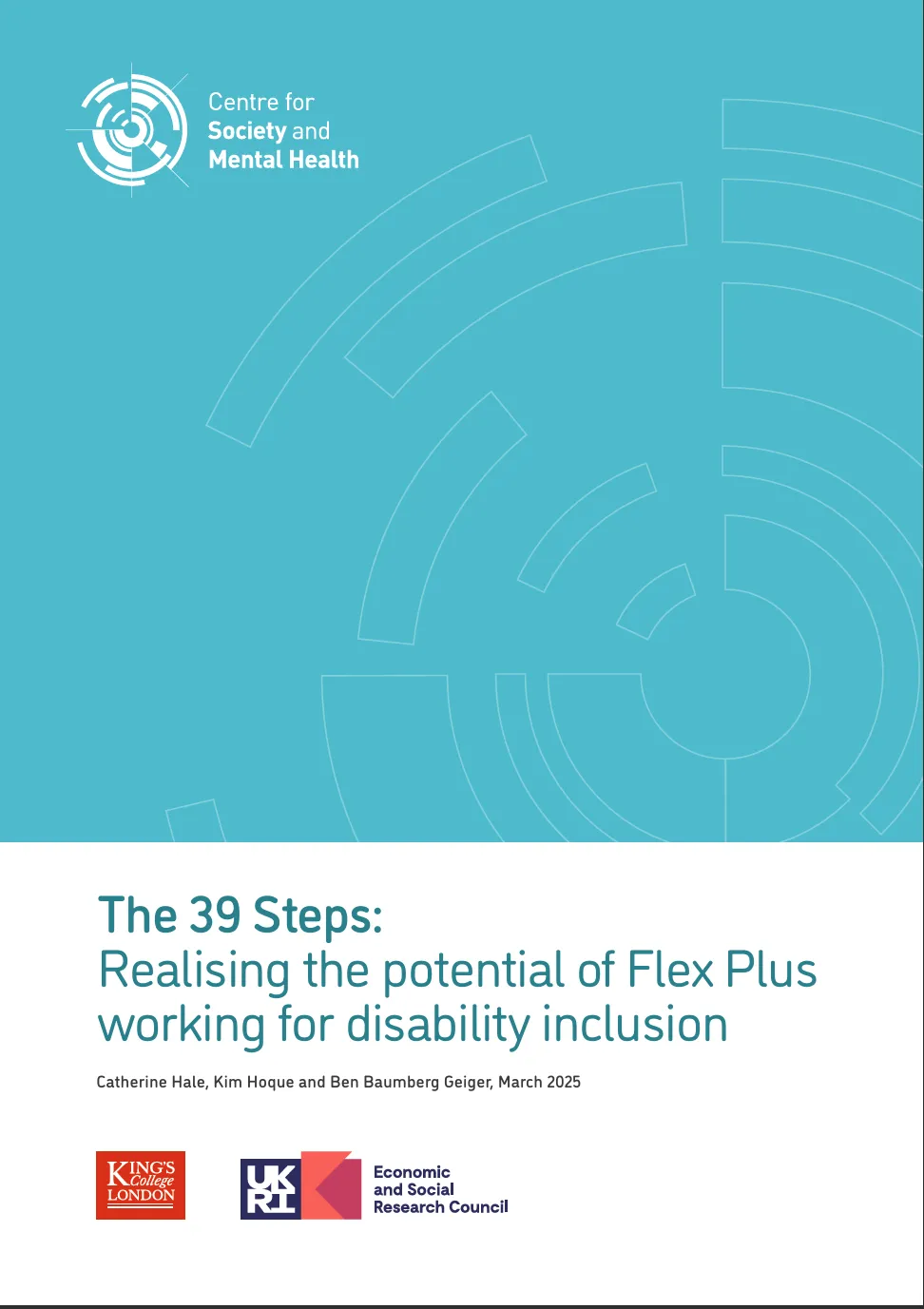
Hale, C., Hoque, K., & Geiger, B. B. (2025):
The 39 Steps: Realising the potential of Flex Plus working for disability inclusion
We were approached by Catherine Hale to provide transcription support for around 20+ hours of interviews with participants on her Flex Plus research project. Read the report here.
Our work in action
We were asked by Dr Catherine Baker to support this 2023 research project commissioned by the British Council to analyse the cultural relations of Eurovision the year that UK city Liverpool hosted the competition on behalf of Ukraine.
We've been privileged to support Dr Cass Adair's work on transgender histories of the Internet since 2021, including providing transcription support for the interview with Sandy Mesics featured in this journal article.
We were approached by Catherine Hale to provide transcription support for around 20+ hours of interviews with participants on her Flex Plus research project.
How we keep your data safe & secure
Strict data protection & security
We employ strict GDPR/DPA18 data protection and security protocols including password-protected, SSL-encrypted (the same used by online banking providers) on our secure, dedicated client server, and right across our processing teams and workflow.
DBS-checked end-to-end processing available
We offer DBS-checked end-to-end processing at the basic level including our administrators responsible for onboarding files, through to our transcriber and editing teams and Senior Editor, then back to our administrators for file delivery.
Easy, safe & secure upload
Every client is given their own password-protected login to our secure client server, located in Geneva within the EEA, where you can upload your files into a space specifically created for your project or projects, and where your completed transcripts or closed captions will be posted once available for download.
Deletion & Retention
Once we've finished processing your files, we'll email you to confirm that you're happy for us to delete your audio files, plus ascertain whether you'd prefer us to hold on to back-up copies of your transcripts for up to 12 months post-processing or if you'd prefer us to delete them immediately.
How we keep your data safe & secure
Strict data protection & security
We employ strict GDPR/DPA18 data protection and security protocols including password-protected, SSL-encrypted (the same used by online banking providers) on our secure, dedicated client server, and right across our processing teams and workflow.
DBS-checked end-to-end processing available
We offer DBS-checked end-to-end processing at the basic level including our administrators responsible for onboarding files, through to our transcriber and editing teams and Senior Editor, then back to our administrators for file delivery.
Easy, safe & secure upload
Every client is given their own password-protected login to our secure client server, located in Geneva within the EEA, where you can upload your files into a space specifically created for your project or projects, and where your completed transcripts or closed captions will be posted once available for download.
Deletion & Retention
Once we've finished processing your files, we'll email you to confirm that you're happy for us to delete your audio files, plus ascertain whether you'd prefer us to hold on to back-up copies of your transcripts for up to 12 months post-processing or if you'd prefer us to delete them immediately.
Our clients say
Booking AAT for transcription was so useful to our project. We had multiple hours of multi-speaker audio to transcribe, and even though we hadn’t always captured high-quality audio, the transcriptionists gave us back such thorough transcripts that we could shift right into data analysis with them. I would ABSOLUTELY recommend AAT’s services to others seeking transcription.
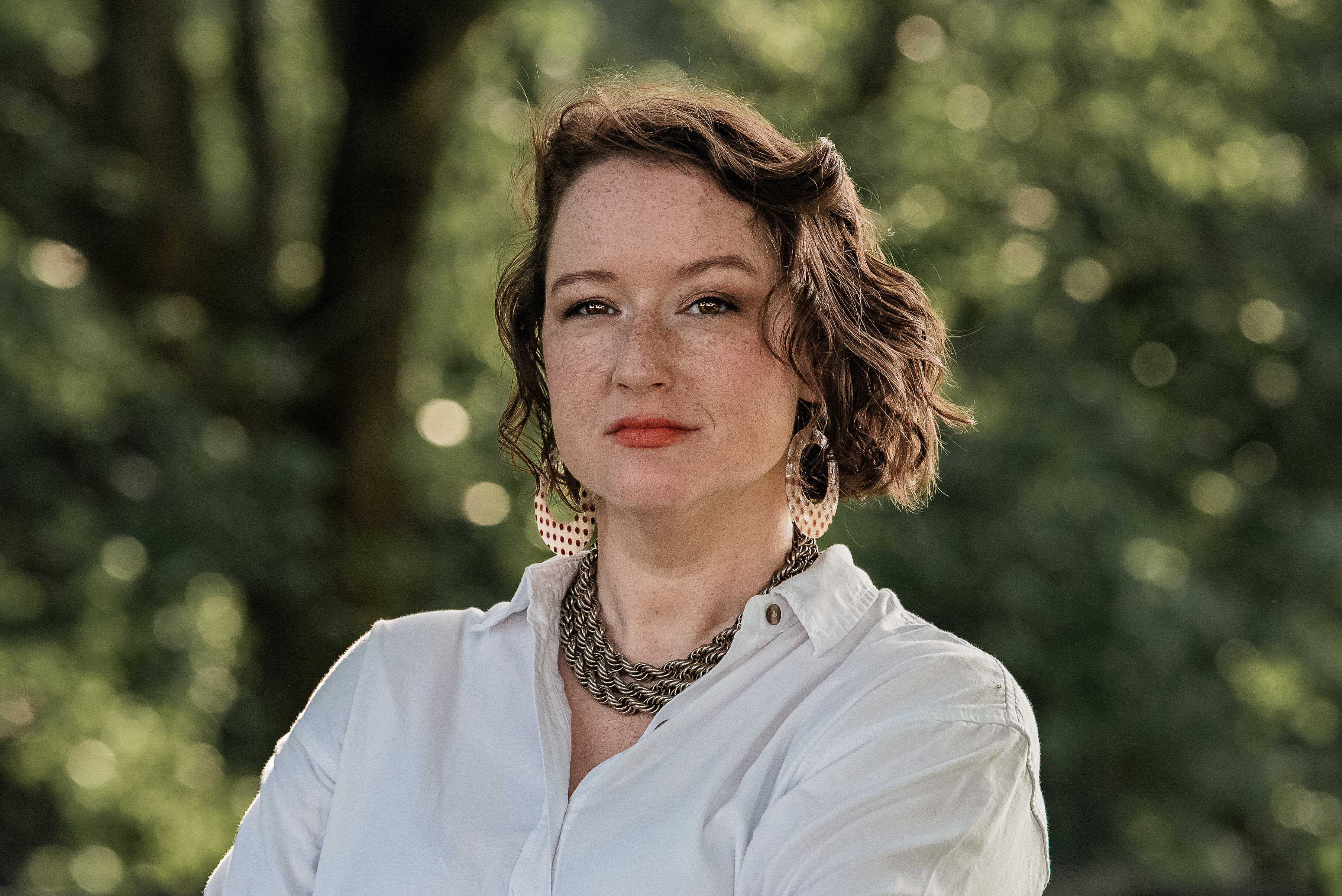
AAT is great to work with, the team is knowledgeable and collaborative, and the standard of captioning and transcription has been consistently excellent. I also think that AAT are facilitating an ethical approach to providing accessibility accommodations, by providing fairly paid work for disabled people.
We're accessibility specialists too
What is 'accessibility'?
Accessibility is about recognising that different people need different things to enable them to engage with information, content, resources and knowledge. Failing to anticipate this variety of needs, methods and approaches creates barriers that mean some people can’t engage with–or access–materials as they want, or need, to.
Where do different access needs come from?
Many specific access needs emerge in relation to someone’s being disabled, chronically ill or neurodivergent, but not all do. Sometimes access needs might emerge from having parental or caring responsibilities, or from being low-income or lacking access to certain presumed resources (like personal computers or high-speed internet connections, for example).
What does accessibility look like in practice?
There are many, many examples of accessibility in practice. In the built environment, a common example of accessibility is providing ramps so that wheelchair and other wheeled mobility-aid users can gain entry to buildings.
In digital spaces, examples might include Deaf people, or people with auditory processing difficulties, needing closed-captions (aka same-language subtitles) to access video content with audio, or blind people, or those with visual impairments, needing audio description to access video content, or keyboard navigation to access different areas on a website.
Making replays of live sessions available on-demand is another example of accessibility for people with parental or other caring responsibilities.
Why does accessibility matter?
Accessibility matters because it’s important that, regardless of their specific access needs, all people can engage the information, content, resources and knowledge.
Those of us who value equality and inclusion must recognise how wide-ranging, front-loaded accessibility measures are necessary to enable equality of access, and inclusion in our digital spaces and audiences.
And it’s important to remember that researchers themselves can have access needs too, so accessibility can be a crucial part of ensuring that disabled, chronically ill and neurodivergent researchers are able to conduct their work without barriers.
How can we help researchers with access needs?
While transcription services are routinely needed by researchers without access needs, transcription support can be an essential tool for researchers with access needs to maximise their research capacity without compromising their physical or mental health.
Auditory processing needs can make prolonged listening to audio cognitively challenging.
Chronic hand pain from conditions like rheumatoid arthritis, or coordination issues like dyspraxia, can significantly reduce someone’s capacity to transcribe even a single hour of interview audio, let alone 10+ hours.
And sometimes researchers collect data on topics they themselves have traumatic experiences of, such that kind of re-engagement required to transcribe qualitative data, on top of collecting it and then analysing it, can be needlessly distressing.
How do we help researchers' outputs be more inclusive?
However you’re disseminating your research, teaching, or work generally, we can help you audit, evaluate and improve your accessibility strategy to ensure that your outputs align with your principled commitment to inclusion.
Whether you need help creating captions for your videos that meet international accessibility standards, insight on accessible event or conference design, or support ensuring an accessibility-first approach to your project.
We're accessibility specialists too
What is 'accessibility'?
Accessibility is about recognising that different people need different things to enable them to engage with information, content, resources and knowledge. Failing to anticipate this variety of needs, methods and approaches creates barriers that mean some people can’t engage with–or access–materials as they want, or need, to.
Where do different access needs come from?
Many specific access needs emerge in relation to someone’s being disabled, chronically ill or neurodivergent, but not all do. Sometimes access needs might emerge from having parental or caring responsibilities, or from being low-income or lacking access to certain presumed resources (like personal computers or high-speed internet connections, for example).
What does accessibility look like in practice?
There are many, many examples of accessibility in practice. In the built environment, a common example of accessibility is providing ramps so that wheelchair and other wheeled mobility-aid users can gain entry to buildings.
In digital spaces, examples might include Deaf people, or people with auditory processing difficulties, needing closed-captions (aka same-language subtitles) to access video content with audio, or blind people, or those with visual impairments, needing audio description to access video content, or keyboard navigation to access different areas on a website.
Making replays of live sessions available on-demand is another example of accessibility for people with parental or other caring responsibilities.
Why does accessibility matter?
Accessibility matters because it’s important that, regardless of their specific access needs, all people can engage the information, content, resources and knowledge.
Those of us who value equality and inclusion must recognise how wide-ranging, front-loaded accessibility measures are necessary to enable equality of access, and inclusion in our digital spaces and audiences.
And it’s important to remember that researchers themselves can have access needs too, so accessibility can be a crucial part of ensuring that disabled, chronically ill and neurodivergent researchers are able to conduct their work without barriers.
How can we help researchers with access needs?
While transcription services are routinely needed by researchers without access needs, transcription support can be an essential tool for researchers with access needs to maximise their research capacity without compromising their physical or mental health.
Auditory processing needs can make prolonged listening to audio cognitively challenging.
Chronic hand pain from conditions like rheumatoid arthritis, or coordination issues like dyspraxia, can significantly reduce someone’s capacity to transcribe even a single hour of interview audio, let alone 10+ hours.
And sometimes researchers collect data on topics they themselves have traumatic experiences of, such that kind of re-engagement required to transcribe qualitative data, on top of collecting it and then analysing it, can be needlessly distressing.
How do we help researchers' outputs be more inclusive?
However you’re disseminating your research, teaching, or work generally, we can help you audit, evaluate and improve your accessibility strategy to ensure that your outputs align with your principled commitment to inclusion.
Whether you need help creating captions for your videos that meet international accessibility standards, insight on accessible event or conference design, or support ensuring an accessibility-first approach to your project.
Support your team and your audience to fully engage with your research workflows and outputs by entrusting us to help you audit, design, and implement broad-based accessibility strategies from the planning stages of your project right through to publication and promoting your work to wider audiences.
What happens when you book
You tell us about your project, ideally including how many audio or video minutes you’ll need processing, whether you’re seeking transcription or closed-captioning services (or both).
We create one or more bespoke offers to meet your needs and budget, and talk you through the options via email or over the phone or videoconferencing.
Once you select one of our offers, we send you a formal quotation via our accounting system.
You confirm the booking by clicking the big green ‘Accept’ button on the formal quotation.
We send you onboarding questions to collect more information about your project and to enable us to set you up with a personalised secure space and login on our dedicated client server.
You login and upload your files, plus tell us anything you need us to know to enable smooth processing (such as if you need any files sooner than others).
We return your completed files within agreed timeframes, and keep in touch with you via email throughout the process and upon delivery of your files.
Our clients say
Our research participants put so much faith in us as researchers to authentically represent their lives and stories. I’ve come to think of transcription as an important way to honor participants, especially when studying sensitive and personal narratives. AAT takes that seriously and puts so much effort into creating high-quality transcriptions of interview conversations. I appreciate the detail, confidentiality, and respect that AAT practices in all their work.
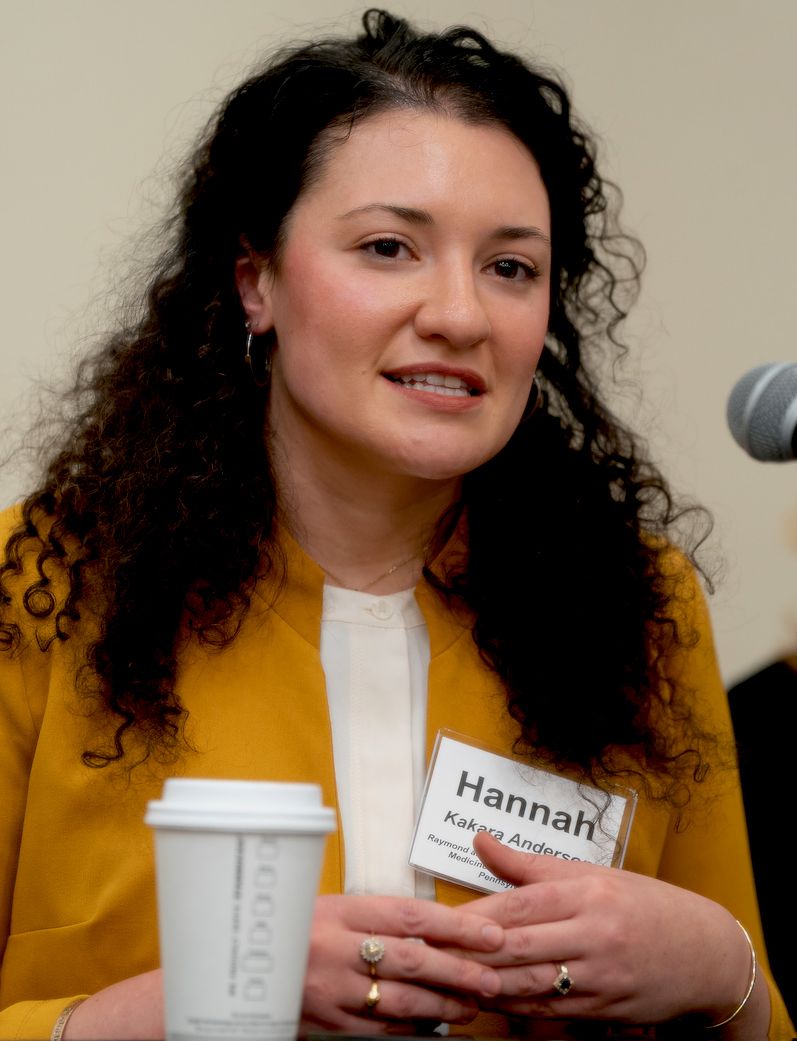
AAT has been absolutely revolutionary to my writing process, allowing me to dictate even faster, and providing excellently edited transcripts. I cannot recommend enough.
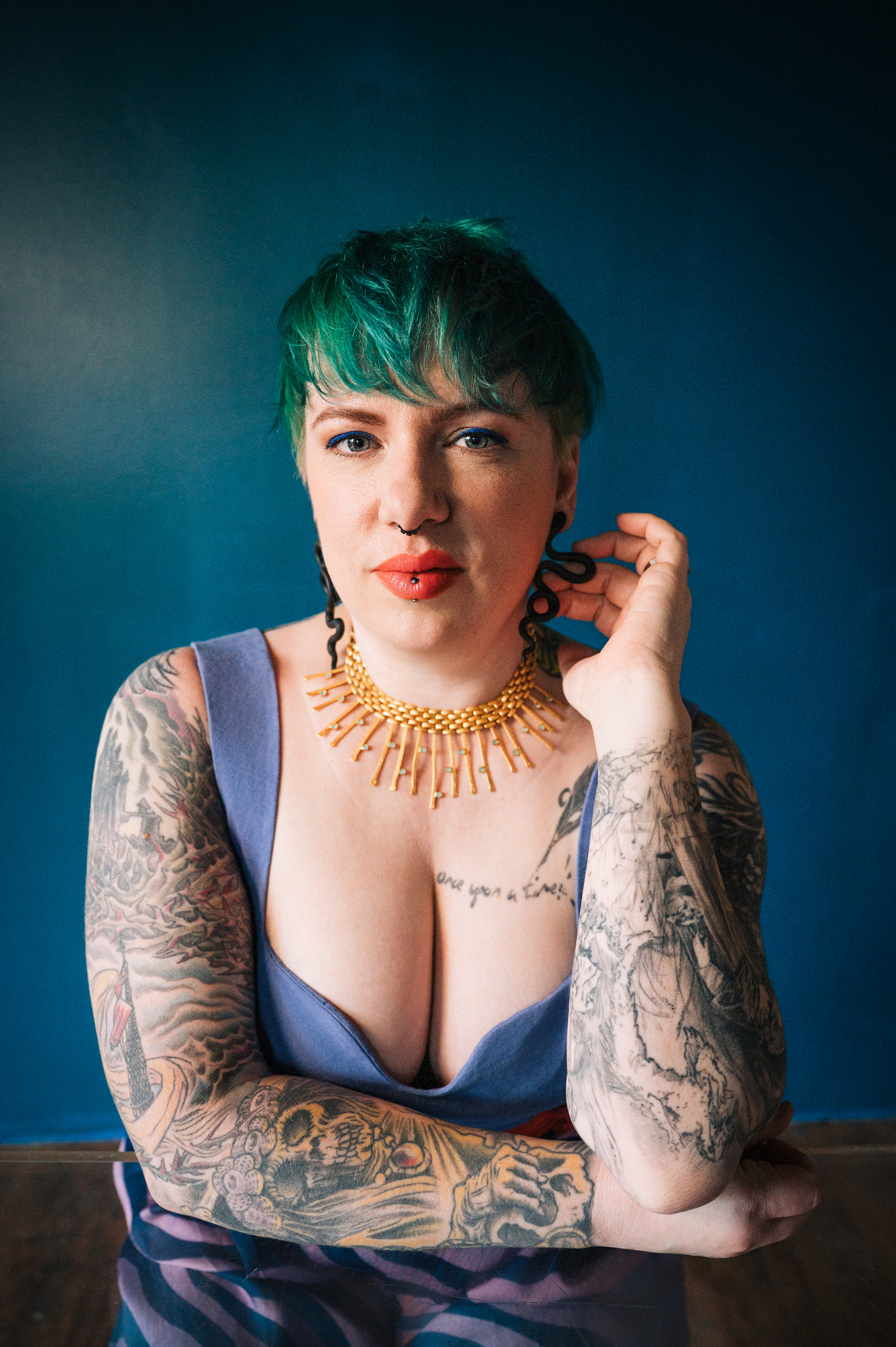
Meet the team
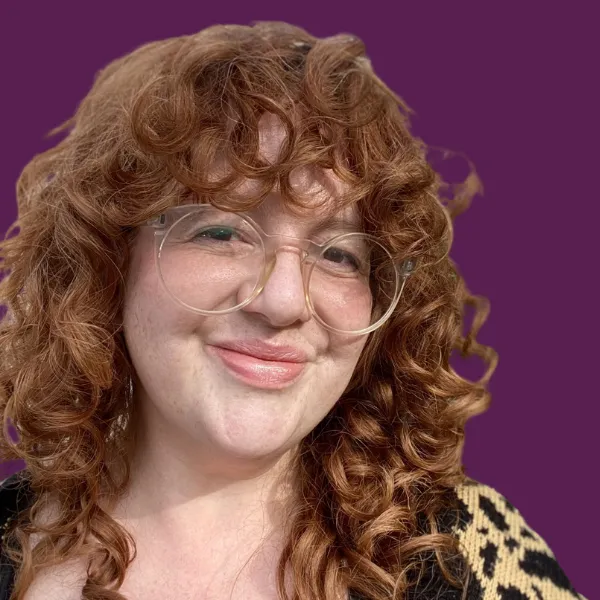
Dr Zara Bain
Founder & CEO
Zara leads the team providing high-quality 100% human-done university transcription and closed-captioning services for researchers and academics in the UK, US and worldwide.
She founded AAT in 2017 after realising that if she wanted flexible remote work as a disabled, chronically ill and neurodivergent professional, she'd need to create it herself; and if she did that, she might as well make it for others like her too.
Alongside being a social entrepreneur, she has a PhD in Philosophy, and has published on epistemic injustice, oppression and ignorance. She has worked as a school and university teacher, NHS secretary and PA and tarot reader's assistant (not necessarily in that order). She lives in West London with her partner and two sons.
Her favourite fact is that wombats poo cubes.
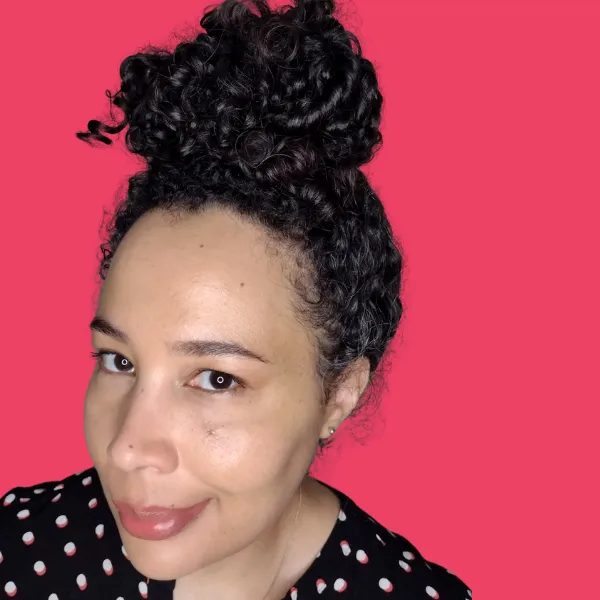
Helene Bradley
Senior Editor
Helene joined AAT in 2019, first as an audio editor, then as a transcript editor, before eventually becoming a senior editor in 2022. She has 15 years’ editorial experience, working in varied fields including broadcasting and media, financial compliance and the music industry.
Alongside her work with AAT, Helene is a musician, producer and DJ, hosting a monthly show on Soho Radio. In her spare time, she enjoys watching terrible 80s horror films, but refuses to watch anything made after 1995.
She has a particular soft spot for TV detective Columbo, played by Peter Faulk.
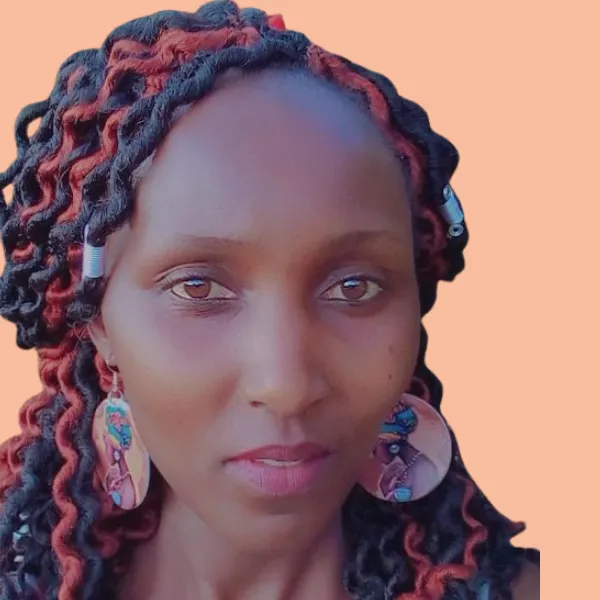
Catherine Wangui Njuguna
Operations Administrator
Catherine joined AAT in April 2020, and wears two hats at Academic Audio Transcription, as Operations Administrator and transcriber. She manages project workflows, coordinates our freelance transcribers and editors, and ensures delivery of accurate transcripts to our clients.
Catherine volunteers with The Vitiligo Society, supporting their webinar coordination, and is currently completing a Google Project Management Certificate.
As a mother of two, she appreciates AAT's flexibility and commitment to accessibility and disability justice, and she loves discovering fascinating new research topics via the projects we support.
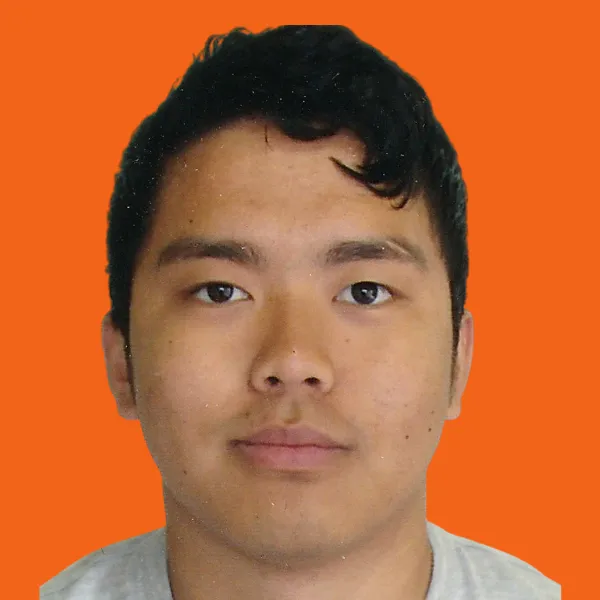
Sujan Magar
Bookkeeper
Sujan joined AAT in 2023 as a Bookkeeper to support with the team's financial operations.
Sujan is an Association of Accounting Technicians (AAT) Certified Bookkeeper.
He encountered Accountancy by chance while studying Economics as an undergraduate at Royal Holloway University of London, and chose to pursue it after graduation.
Anything Film and TV are his favourite pastimes. His goal is to unite the two in pursuit of a fulfilling career.
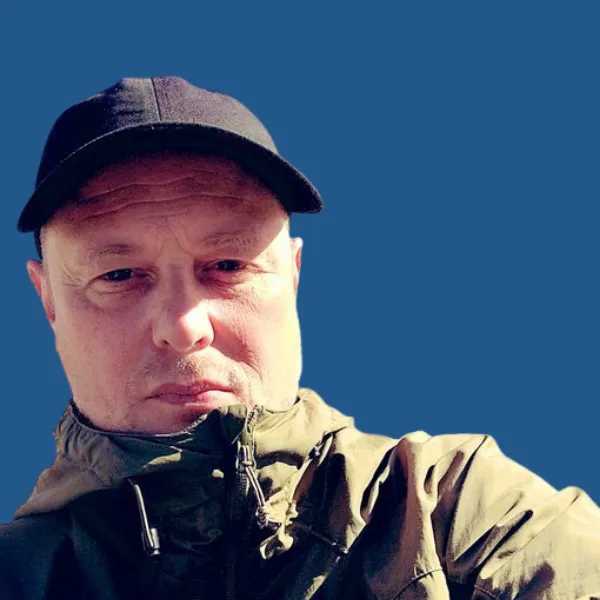
Nick Veale
Client Liaison & General Administrator
Nick joined AAT as a Customer Support & Operations Administrator in September 2025. He is an ex-librarian who worked for 16 years at the University of The Arts London and lives in Southampton with his wife and their 11-year old dog called Jack. Alongside his work with AAT, he volunteers as a Digital Champion at Southampton Central Library.
He spends his Sunday’s watching Columbo and a bit of Murder She Wrote and for over 20 years has spent too much time and money on following and supporting Southampton Football Club around the country (and briefly in Europe).
His great-great-great grandfather was a travelling Professor of Punch and Judy.
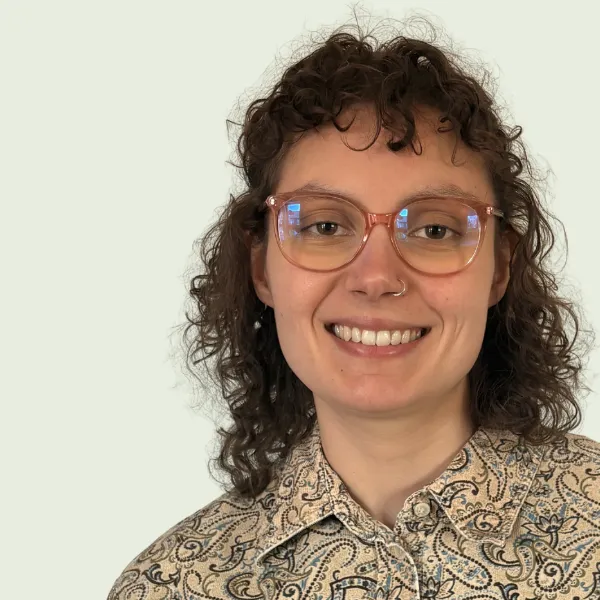
Lauren Woolley
Client Liaison & General Administrator
Lauren joined AAT as a Customer Support & Operations Administrator in February 2026. She has a bachelor's degree in British Sign Language, Deaf Studies and Linguistics, and a master’s in Health Research. Lauren is also a qualified Electronic Notetaker, which she will be incorporating into her work with AAT very soon.
Alongside AAT, Lauren also works as a Specialist Mentor and Support Professional for autistic, ADHD, deaf and hard of hearing university students. In her spare time, she enjoys gardening, reading and calisthenics.
Her sign name is ‘earrings’, because she’s often wearing funky earrings (which she forgot to do for this photo!).
Meet the team
Dr Zara Bain
Founder & CEO
Zara leads the team providing high-quality 100% human-done university transcription and closed-captioning services for researchers and academics in the UK, US and worldwide.
She founded AAT in 2017 after realising that if she wanted flexible remote work as a disabled, chronically ill and neurodivergent professional, she'd need to create it herself; and if she did that, she might as well make it for others like her too.
Alongside being a social entrepreneur, she has a PhD in Philosophy, and has published on epistemic injustice, oppression and ignorance. She has worked as a school and university teacher, NHS secretary and PA and tarot reader's assistant (not necessarily in that order). She lives in West London with her partner and two sons.
Her favourite fact is that wombats poo cubes.
Helene Bradley
Senior Editor
Helene joined AAT in 2019, first as an audio editor, then as a transcript editor, before eventually becoming a senior editor in 2022. She has 15 years’ editorial experience, working in varied fields including broadcasting and media, financial compliance and the music industry.
Alongside her work with AAT, Helene is a musician, producer and DJ, hosting a monthly show on Soho Radio. In her spare time, she enjoys watching terrible 80s horror films, but refuses to watch anything made after 1995.
She has a particular soft spot for TV detective Columbo, played by Peter Faulk.
Catherine Wangui Njuguna
Operations Administrator
Catherine joined AAT in April 2020, and wears two hats at Academic Audio Transcription, as Operations Administrator and transcriber. She manages project workflows, coordinates our freelance transcribers and editors, and ensures delivery of accurate transcripts to our clients.
Catherine volunteers with The Vitiligo Society, supporting their webinar coordination, and is currently completing a Google Project Management Certificate.
As a mother of two, she appreciates AAT's flexibility and commitment to accessibility and disability justice, and she loves discovering fascinating new research topics via the projects we support.
Sujan Magar
Bookkeeper
Sujan joined AAT in 2023 as a Bookkeeper to support with the team's financial operations.
Sujan is an Association of Accounting Technicians (AAT) Certified Bookkeeper.
He encountered Accountancy by chance while studying Economics as an undergraduate at Royal Holloway University of London, and chose to pursue it after graduation.
Anything Film and TV are his favourite pastimes. His goal is to unite the two in pursuit of a fulfilling career.
Nick Veale
Client Liaison & General Administrator
Nick joined AAT as a Customer Support & Operations Administrator in September 2025. He is an ex-librarian who worked for 16 years at the University of The Arts London and lives in Southampton with his wife and their 11-year old dog called Jack. Alongside his work with AAT, he volunteers as a Digital Champion at Southampton Central Library.
He spends his Sunday’s watching Columbo and a bit of Murder She Wrote and for over 20 years has spent too much time and money on following and supporting Southampton Football Club around the country (and briefly in Europe).
His great-great-great grandfather was a travelling Professor of Punch and Judy.
Lauren Woolley
Client Liaison & General Administrator
Lauren joined AAT as a Customer Support & Operations Administrator in February 2026. She has a bachelor's degree in British Sign Language, Deaf Studies and Linguistics, and a master’s in Health Research. Lauren is also a qualified Electronic Notetaker, which she will be incorporating into her work with AAT very soon.
Alongside AAT, Lauren also works as a Specialist Mentor and Support Professional for autistic, ADHD, deaf and hard of hearing university students. In her spare time, she enjoys gardening, reading and calisthenics.
Her sign name is ‘earrings’, because she’s often wearing funky earrings (which she forgot to do for this photo!).
Frequently Asked Questions (FAQs)
How do you take payment?
We accept payment via credit card online or over the phone, PayPal, bank transfer via BACS, or wire transfer. For institutionally-funded clients, we will need to either be an existing approved supplier or need to get set up as a new approved supplier, and obtain a Purchase Order (PO) to ensure the institution approves payment for the booking. For institutionally-funded projects of over £500, processing will begin once we've got a PO confirmed and in hand.
Can I get a quote for a prospective or future project?
Absolutely! We frequently offer quotations in support of grant or other funding applications (and for what it's worth, our clients tell us that including us on their applications can help boost their rankings for 'social value'!).
Do you need to be an approved supplier at my institution for me to book with you?
It depends. For a majority of institutionally-funded projects, universities will require that we obtain approved (aka 'preferred') supplier status, and that any project bookings have a formal Purchase Order (PO) attached before accepting our invoices for the project. We're approved suppliers at institutions all over the UK and US, so we're very familiar with completing the process. Some universities, schools and departments, however, are happy to pay us by departmental credit card without going through the approved supplier process. And, of course, we often work with independent or self-funding researchers, where there's no requirement for institutional payment.
Do you support projects by independent researchers as well as those with institutional affiliation?
Absolutely, and often! We work with independent researchers, as well as those within or subcontracting to charitable organisations, social enterprises, museum and heritage institutions, and independent content creators too.
Do you only work with academics or with either non-academic researchers or non-researchers too?
While the vast majority of our work comes from academic research projects, we work with anyone who needs high-quality transcription or closed captions for whatever purpose. We've supported numerous non-academic research projects by artists, museum curators, or advocacy organisations. We've also worked with non-research projects, like author dictated manuscripts for romance novels, captioning video content for arts and advocacy projects. We're happy to support all of it!
Isn't two weeks too long to wait for transcripts?
14 days is our standard turnaround time for transcription services, except for larger projects where we offer batched delivery over multiple weeks. We do offer faster turnaround services of 7 days, or less than 5 days, for additional fees. And while we know some competitors offer 24 or 48 hour turnaround times, because of our social mission and team demographic, prioritising near-immediate turnaround times isn't hugely consistent with working with primarily disabled, chronically ill and neurodivergent freelancers.
Aren't specialist transcription services too expensive?
We don't think so, but it really depends on what you value and where you want to spend your time, money and resources.
Research-specialist transcription services understand the research process from the inside and out, as well as bringing subject- and discipline-specific knowledge and expertise to our transcript production processes. This means we're more likely to produce analysis-ready transcripts that get specialist terminology right the first time, as well as producing transcripts that are NVivo and archive-ready.
While automated alternatives might get you transcripts quicker, they can't read for context, need additional training for specialist terminology, and can never replicate the enthusiasm that subject-specialist research-experienced transcribers and editors can bring to supporting your projects.
Does it matter if I've no qualitative data in hand, but I've got project funding I need to spend before the end of my university's current financial year?
Not at all. We know how common it is for research funding to come with 'use it or lose it' rules that mean the funds must be applied within a certain financial year, and how sometimes that just doesn't match your research timelines, especially if you've been delayed relative to your initial plans. We offer payment in advance for up to 12 months on account, to enable you to allocate your hard-won funds to transcription support while reclaiming some much needed time and breathing room to progress your qualitative data collection.
Can't I just get an AI to do the same thing?
You can certainly use automated transcription or closed-captioning services to obtain transcripts or closed captions. Will it produce an output equivalent in quality to what our team can produce? We don't think so. We regularly edit automated transcripts so know first-hand what their level of quality or accuracy looks like, and as far as we're concerned? It's never as good as what 100% human-done transcription and editing can produce.
Can you edit transcripts I've already generated using AI?
Absolutely. We regularly edit AI-generated transcripts or captions produced in Zoom, Teams, Otter AI, YouTube, Vimeo or other automated platforms. Tell us about your project below, and we'll be happy to send you a free, no-obligation quotation.
What if I'm not sure if I've got the funds to book with you?
We know that budgets can be really tight, both because of shifting landscapes of academic funding and university procurement policies, and because we regularly support projects by junior (PhD, ECR), independent, or otherwise under-funded scholars and researchers.
Because of our social mission, we're always happy to work with you to negotiate on costs, to do what we can to support you to stretch your budget as far as possible, and help you to access high-quality, 100% human-done transcription or closed-captioning support.
Does accessibility really matter for audio and especially video content?
We think so. Accessibility can be the difference between some of your audience being able to engage your content, or trying and failing to engage it, inevitably leading to experiences of frustration and exclusion.
Around 20-25% of the population globally are disabled, and while not all of those people will have diverse access needs that affect their ability to read text, listen to podcasts, or watch videos, many will.
By investing in accessibility measures like closed-captions and even transcripts for video and audio content, you signal to your audiences that you're serious about inclusion, and understand the wide range of experiences that they bring as they try to engage your content, not all of which will be even about disability, chronic illness or neurodivergence.
What if I need more time to decide before booking?
If you need more time to decide before booking, then we respect and support your need to do that, and we'll be here whenever you're ready to answer any questions about our services, about the process of booking with us, and about the end results you can expect upon delivery and project wrap-up.
We're also working hard to support our clients by following up with recent inquiries, as we know things can get so busy its easy for progressing your research to fall by the wayside, and we don't ever take it personally if you don't reply to us for a while.
Do my audiences really care about having high-quality, edited captions or transcripts?
When it comes to accessibility, we know that audiences with diverse access needs take the presence or absence of high-quality closed-captions created in accordance with standard accessibility guidelines as a sign of whether you've recognised that your audience includes disabled people, and whether you respect them enough to invest in their having an experience at parity with their non-disabled peers.
Beyond audience perspective, there are other great reasons to invest in closed captions. For one thing, having an accurate text-based version of your video and audio content can be great for everything from SEO to content creation. In research contexts, having an accurate text-based version of your video and audio content can enable researchers to more easily access your materials, and provides text-based search functionality unavailable with just video or audio alone.
Tell us about your project and get a free no-obligation quotation
University transcription and closed-captioning services for researchers and academics in the UK, US and worldwide.


© Copyright Academic Audio Transcription Ltd, 2026. All Rights Reserved.